
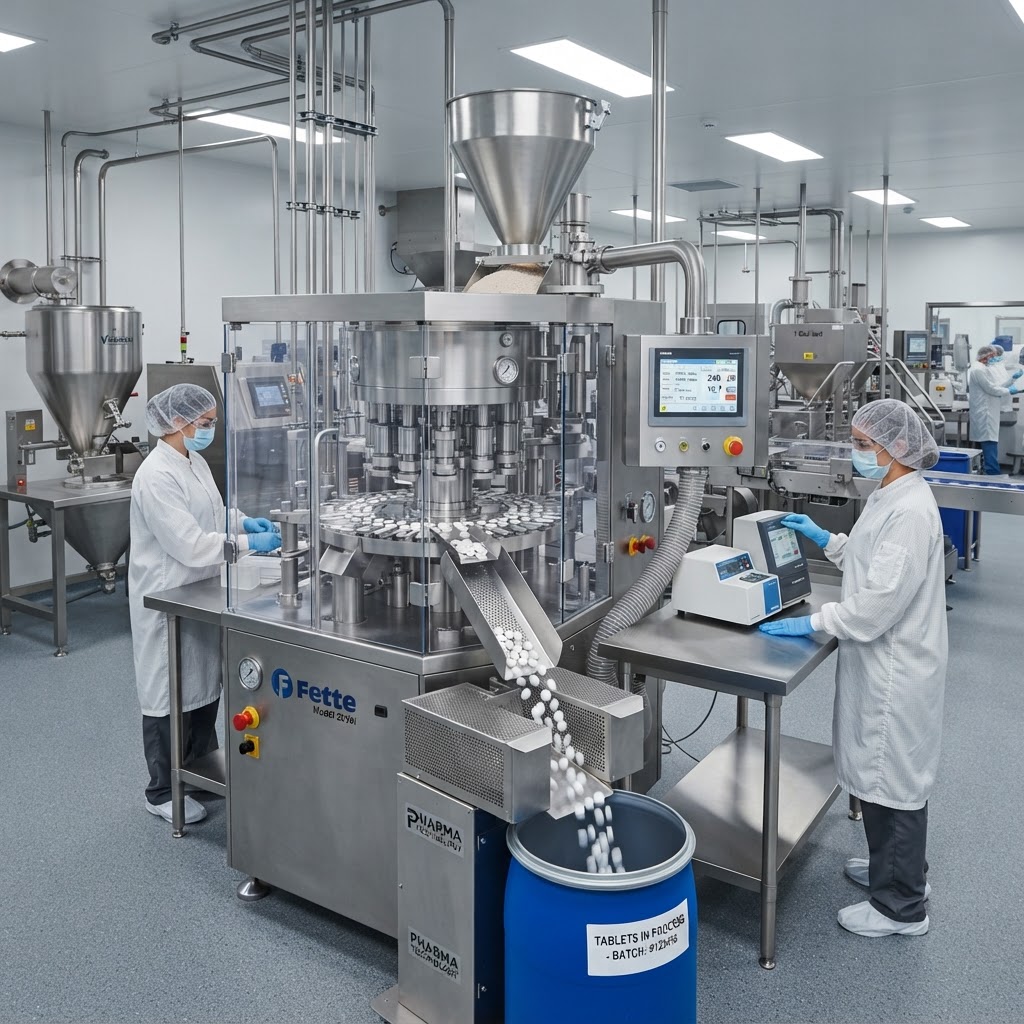
The pharmaceutical industry saves and improves lives, but its manufacturing processes carry a significant environmental footprint. Drug synthesis often consumes large volumes of solvents, generates substantial waste and requires energy-intensive operations. Studies of active pharmaceutical ingredient production have reported waste-to-product ratios far higher than many other chemical sectors. As investors, regulators, payers and patients expect greater environmental responsibility, green chemistry and sustainable manufacturing have moved from optional initiatives to strategic priorities. This white paper outlines practical approaches for reducing the environmental impact of drug manufacturing while maintaining quality and compliance.
The Environmental Challenge in Pharmaceutical Manufacturing
Multi-step synthesis of complex molecules, purification by chromatography and stringent quality requirements contribute to high solvent use and waste generation. Cleaning between batches, sterilization, cold storage and cleanroom air handling add to energy and water consumption. Beyond the plant, upstream supply chains and downstream distribution contribute to the overall carbon footprint.
Drivers for Sustainability
- •Corporate net-zero and environmental targets
- •Regulatory and reporting requirements on emissions and waste
- •Cost savings from reduced solvent purchase and disposal
- •Customer and payer expectations for responsible supply chains
- •Employee and community engagement
Green Chemistry Principles in Practice
Green chemistry is guided by twelve principles, including waste prevention, atom economy, safer solvents, energy efficiency and use of catalysis. Applying them in pharmaceutical process development requires early, deliberate choices.
Route Selection and Atom Economy
The most effective time to reduce environmental impact is during route design. Shorter synthetic routes with fewer protecting group manipulations use fewer reagents and generate less waste. Convergent syntheses and high-yielding steps improve atom economy. Biocatalysis, using enzymes to perform selective transformations under mild conditions, can replace multi-step chemical sequences and reduce hazardous reagents.
Safer Solvents and Reagents
Solvents typically account for the majority of mass in a pharmaceutical process. Selection guides rank solvents by safety, health and environmental criteria, helping teams replace problematic solvents such as dichloromethane or dimethylformamide with greener alternatives. Water-based chemistry, solvent-free reactions and recovery and reuse of solvents further reduce burden.
Catalysis
Catalytic reactions, including metal catalysis and organocatalysis, replace stoichiometric reagents, cutting waste. Efficient catalyst recovery and attention to residual metals support both sustainability and quality.
Process Intensification and Continuous Manufacturing
Continuous Flow Chemistry
Flow reactors offer superior heat and mass transfer, enabling reactions that are hazardous or difficult in batch. They often require less solvent, give higher yields and reduce footprint. Telescoping steps eliminates intermediate isolations, saving energy and solvent.
Energy Efficiency
Optimizing reaction temperatures, using heat integration, selecting efficient equipment and improving cleanroom HVAC performance reduce energy consumption. Heat recovery from process streams and renewable electricity sourcing lower emissions.
Water Stewardship
Reducing purified water use, recycling cooling water and optimizing cleaning cycles conserve resources. Real-time monitoring identifies leaks and inefficiencies.
Measuring and Managing Impact
Metrics
Process mass intensity (PMI), the total mass of inputs per unit mass of product, is widely used to benchmark processes. E-factor, carbon footprint, water intensity and energy per kilogram complement it. Life cycle assessment (LCA) takes a broader view, evaluating impacts from raw material extraction to disposal and revealing trade-offs.
Goal Setting and Governance
Credible targets, set against baselines, with clear accountability, drive improvement. Integrating sustainability criteria into stage-gate decision making ensures new products are designed with the environment in mind. Sustainability should be a standing agenda item in development reviews.
- •Establish baseline PMI for key processes
- •Include green chemistry assessment in route scouting
- •Track solvent recovery rates and waste diversion
- •Report progress transparently
Biologics, Packaging and Distribution
Biologics Manufacturing
Biologics processes are water- and energy-intensive. Intensified perfusion processes, higher titers and optimized cleaning reduce per-gram impact. The trade-offs of single-use versus stainless steel can be assessed using LCA.
Packaging and Logistics
Right-sizing packaging, using recycled or recyclable materials where compatible with quality, and optimizing transport routes reduce footprint. Cold chain shippers that are reusable lower waste. Digital labeling and electronic leaflets can reduce paper use where regulations permit.
Supplier Collaboration and Supply Chain
A substantial share of emissions arise upstream. Engaging suppliers on emissions disclosure, renewable energy and sustainable sourcing extends impact beyond a single facility. Supplier scorecards and shared improvement projects embed expectations. Industry collaborations, such as pharmaceutical supply chain initiatives, promote common standards and audits.
Regulatory and Quality Considerations
Sustainability changes must not compromise product quality. Changes to synthetic routes, solvents or processes require appropriate change control, comparability assessment and, for marketed products, regulatory filings. Early planning, ideally before filing, avoids costly post-approval changes. Regulators increasingly recognize environmental considerations, and green solvent choices must also respect residual solvent limits under ICH Q3C.
Overcoming Barriers
Common obstacles include perceived regulatory risk, upfront capital, entrenched processes and competing priorities. Demonstrating business benefits through pilot projects, quantifying savings and embedding sustainability into incentives help build momentum. Cross-functional collaboration among chemists, engineers, quality, procurement and sustainability teams is crucial.
Conclusion
Sustainable pharmaceutical manufacturing is achievable through thoughtful application of green chemistry, process intensification, careful measurement and collaboration across the supply chain. Companies that act now reduce cost and risk, strengthen their reputation and contribute to healthier communities and a healthier planet.
About This White Paper
This white paper is published by Biotechnology Media Insights Editorial and curated by Biotechnology Media Insights, a trusted source for pharmaceutical and biotechnology research, technical guides and industry analysis.