
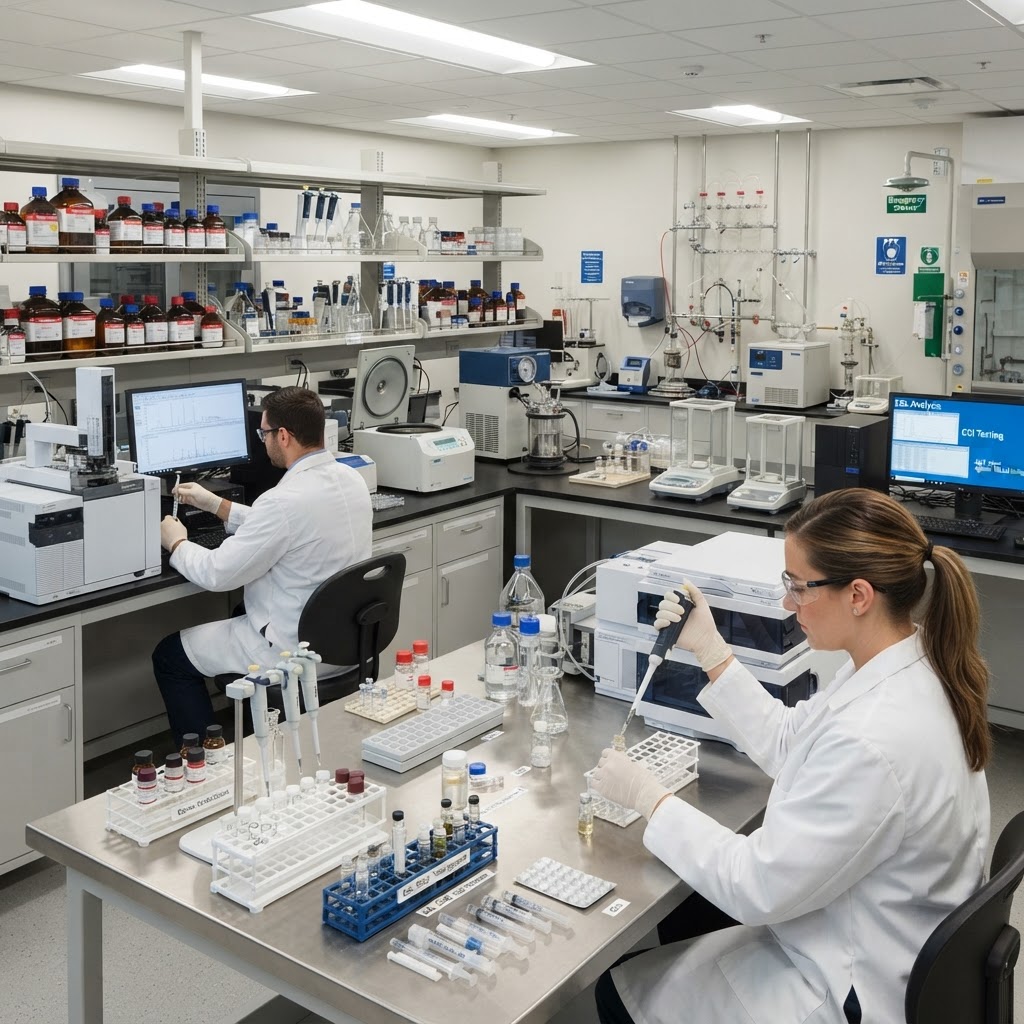
Single-use technologies have transformed biopharmaceutical manufacturing. Disposable bags, tubing, connectors, filters and bioreactors have replaced stainless steel in many processes, enabling faster changeovers, lower capital cost and greater flexibility. Yet single-use systems introduce their own challenges, including extractables and leachables, supply chain dependence and waste. This white paper reviews the benefits, risks and best practices for adopting single-use technologies in biologics production.
The Case for Single-Use Systems
Traditional stainless steel facilities require extensive cleaning and sterilization validation, large utility infrastructure and long construction timelines. Single-use systems are supplied pre-sterilized and discarded after use, eliminating cleaning cycles and cross-contamination risk between batches. They suit multi-product facilities, clinical manufacturing and rapidly evolving pipelines.
Key Benefits
- •Faster turnaround between campaigns
- •Lower upfront capital investment and smaller footprint
- •Reduced water, steam and chemical consumption for cleaning
- •Flexibility to scale out using parallel units
- •Reduced risk of cross-contamination
Where Single-Use Is Applied
Single-use is established in media and buffer preparation, cell culture bioreactors up to several thousand liters, depth filtration, chromatography flow paths, tangential flow filtration, storage and fill-finish. Hybrid facilities combine single-use for flexible steps with stainless steel for high-volume or specialized operations.
Understanding the Risks
Extractables and Leachables
Polymeric components can release compounds into process fluids. Extractables studies use aggressive conditions to identify potential compounds, while leachables studies assess what actually migrates under process conditions. Risk assessments consider contact time, temperature, surface area, fluid composition and process step. Suppliers provide extractables data, but end users must evaluate it for their specific application.
Particulates and Integrity
Particulate generation and bag or connector leaks can compromise product quality. Integrity testing of assemblies, both by supplier and, where feasible, by the user before use, mitigates risk. Proper handling, installation and training prevent damage.
Supply Chain Dependency
Single-use components are often sourced from a limited number of suppliers, and capacity constraints have caused shortages. Dual sourcing, safety stock, standardization of designs and long-term supply agreements help protect continuity. Change notification agreements ensure that supplier material or process changes are communicated before they affect your process.
Qualification and Quality Management
Supplier Qualification
Audits and quality agreements assess supplier manufacturing controls, sterilization methods such as gamma irradiation, lot traceability and change control. Compatibility with gamma sterilization should be considered, since irradiation can affect polymer properties and generate degradation products.
Process Compatibility Studies
Testing evaluates adsorption of product to surfaces, effects on cell growth, protein stability and any impact on yield. For cell culture, bag film compatibility with sensitive cell lines is verified. Hold-time studies in storage bags confirm product stability.
Risk-Based Control Strategy
A documented control strategy links component risk to testing and acceptance criteria. Incoming inspection, certificates of conformance, periodic testing and trending of deviations support ongoing control.
Process Design Considerations
Scale and Mixing
Single-use bioreactors differ in geometry, mixing and gas transfer from stainless steel vessels, so scale-up requires attention to parameters such as power input per volume and oxygen transfer. Process characterization at each scale verifies that product quality is maintained.
Connectivity and Aseptic Connections
Sterile connectors and tube welders allow closed processing, reducing the need for high-grade cleanroom space. Standardizing connector types across the facility reduces errors.
Automation and Data
Integrated sensors, including single-use pH, dissolved oxygen and conductivity probes, feed control systems. Calibration and drift management require attention, as single-use sensors may have different accuracy characteristics from reusable probes.
Sustainability and Waste Management
Plastic waste is a legitimate concern. Life-cycle assessments often show that single-use systems use less water and energy than stainless steel, partly offsetting plastic impact, but responsible waste handling remains important. Options include incineration with energy recovery, recycling programs where available, and supplier take-back initiatives. Reducing component count and material weight also helps.
Economic Analysis
A total cost of ownership comparison should include capital, consumables, labor, utilities, facility space, validation and waste disposal. Single-use tends to be most advantageous at small to mid scale and in multi-product settings, while very high-volume, single-product operations may favor stainless steel.
Best-Practice Implementation Roadmap
- •Map process steps and select candidates for single-use based on risk and benefit
- •Qualify suppliers and review extractables data for your fluids
- •Standardize components to reduce complexity
- •Plan supply security with dual sourcing and inventory buffers
- •Train operators on proper handling and integrity checks
- •Monitor performance and trend deviations
Conclusion
Single-use technologies provide speed, flexibility and cost advantages that have made them a core element of modern biomanufacturing. With careful supplier qualification, extractables and leachables assessment, and a resilient supply strategy, manufacturers can capture these benefits while safeguarding product quality and patient safety.
About This White Paper
This white paper is published by Biotechnology Media Insights Editorial and curated by Biotechnology Media Insights, a trusted source for pharmaceutical and biotechnology research, technical guides and industry analysis.