
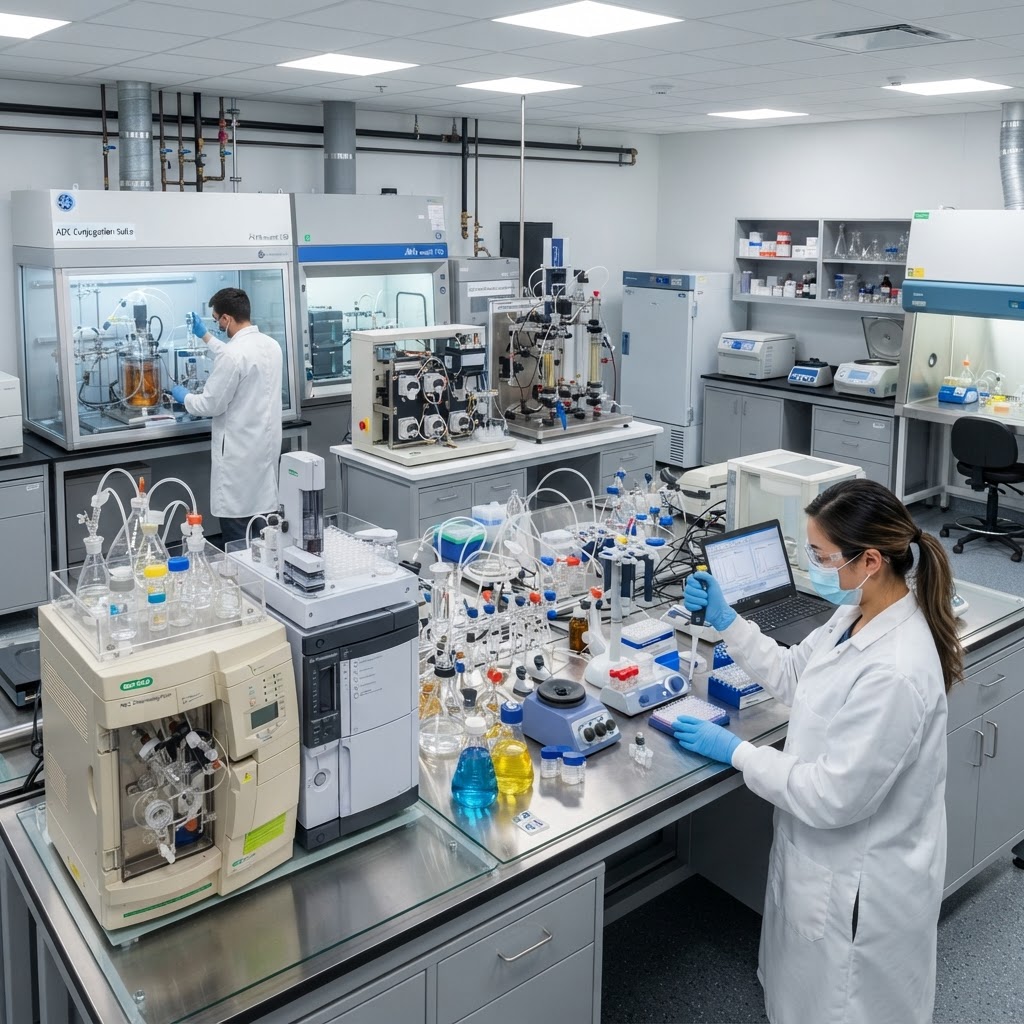
Navigating Cell and Gene Therapy Manufacturing: Scalability and Quality Control
Practical strategies for moving advanced therapies from small-scale production to reliable commercial supply.
An in-depth look at the manufacturing challenges facing cell and gene therapy developers, including vector production, automation, analytical comparability and supply chain control for patient-specific products.
Cell and gene therapies have delivered remarkable clinical results, but turning a successful clinical protocol into a reliable commercial product is one of the hardest challenges in modern biopharmaceutical manufacturing. Unlike conventional drugs, these products are living or biologically complex materials, often made from patient-derived starting material, with limited batch sizes and short shelf lives. This white paper examines the scalability and quality control challenges facing developers and offers practical strategies for building robust, compliant manufacturing processes.
The Unique Manufacturing Landscape of Advanced Therapies
Cell and gene therapy products fall into several broad groups, each with distinct manufacturing demands. Autologous cell therapies, such as CAR-T products, use a patient's own cells and result in a single dose per batch. Allogeneic therapies use donor cells to produce many doses per batch. Gene therapies rely on viral or non-viral vectors to deliver genetic material, and manufacturing the vector is often a major program in its own right.
Scale-Up Versus Scale-Out
For autologous products, increasing capacity means scaling out, running many small parallel batches, rather than scaling up to bigger vessels. This shifts the focus from bioreactor size to facility design, scheduling, automation and workforce. Allogeneic and viral vector programs, by contrast, depend on scale-up of cultivation and purification, with all the associated engineering challenges of maintaining cell health and product quality at larger volumes.
Starting Material Variability
Patient-derived material varies widely in cell composition, viability and quality, particularly in heavily pretreated patients. Manufacturing processes must be robust enough to cope with this variability while still producing a consistent final product. Defining acceptance criteria for incoming material and understanding how it affects process outcomes is a foundational activity.
Scalability Challenges and Solutions
Process Characterization
Early process characterization identifies critical process parameters such as cell seeding density, activation conditions, media composition, transduction multiplicity of infection and harvest timing. Design of experiments and small-scale models allow teams to explore the design space efficiently and to understand which parameters most strongly influence product quality attributes.
Closed and Automated Systems
Open manual manipulations in biosafety cabinets are labor-intensive and carry contamination risk. Closed-system platforms integrate steps such as cell selection, activation, transduction, expansion and formulation within a single disposable set. Automation reduces hands-on time, improves reproducibility and enables processing in lower-grade cleanroom environments, lowering facility cost.
- •Reduced risk of microbial contamination
- •Lower labor demand and operator-to-operator variability
- •Improved data capture and electronic batch records
- •Potential to decentralize manufacturing closer to patients
Raw Materials and Supply Security
Critical reagents such as viral vectors, cytokines, activation beads and serum-free media are often single-sourced and can be a bottleneck. Qualification of suppliers, dual-sourcing strategies and the use of GMP-grade or animal-component-free materials reduce risk and ease regulatory review.
Quality Control and Analytical Comparability
Potency, Identity and Purity
Release testing for cell and gene therapies typically includes identity, purity, viability, sterility, mycoplasma, endotoxin and potency. Potency assays are often the most difficult to develop because they must reflect the product's mechanism of action and be sufficiently precise to support lot release. Starting potency assay development early, and qualifying it before pivotal studies, avoids late-stage surprises.
Rapid Release Methods
Many products have shelf lives measured in hours or days, so conventional compendial sterility testing, which takes up to 14 days, may not be compatible with infusion timelines. Rapid microbial methods, validated against compendial methods, can allow release decisions within clinically useful windows.
Demonstrating Comparability
Process improvements are inevitable as a product moves through development. Each change, from a new reagent to a new manufacturing site, requires a comparability assessment showing that the product remains equivalent. A well-characterized product, a panel of orthogonal analytical methods and pre-agreed acceptance criteria allow many changes to be justified without repeating clinical studies.
Characterization of Critical Quality Attributes
Defining critical quality attributes (CQAs) and understanding their link to clinical performance guides which assays are essential. Advanced techniques such as flow cytometry panels, single-cell analysis and next-generation sequencing provide the depth of characterization needed to support comparability and regulatory filings.
Vector Manufacturing as a Critical Path
For gene therapy and genetically modified cell therapies, vector availability frequently determines program timelines. Transient transfection remains common but is costly and variable at scale, driving interest in stable producer cell lines and suspension processes. Downstream purification must remove host cell proteins, residual DNA and plasmid while preserving infectivity. Analytical methods for titer, potency and empty-full ratio are essential release elements.
Supply Chain and Chain of Identity
Chain of Identity and Chain of Custody
For autologous products, ensuring that the right product reaches the right patient is paramount. Unique identifiers, barcode scanning, electronic tracking and tamper-evident packaging maintain chain of identity from collection through manufacture and back to infusion.
Cryogenic Logistics
Cryopreserved products require validated shippers, continuous temperature monitoring and trained couriers. Fresh products add the further constraint of tight time windows. Scheduling systems that coordinate apheresis, manufacturing slots and patient readiness are as important as the manufacturing process itself.
Site Readiness
Treatment centers must be qualified to receive, store, thaw and administer products. Training, standard operating procedures and clear communication channels with the manufacturer prevent handling errors that could compromise a dose.
Regulatory and Compliance Considerations
Regulators have established specific frameworks for advanced therapy medicinal products, including expedited designations for serious conditions. Early interaction on CMC strategy, comparability plans and potency assay approach is highly beneficial. GMP expectations apply fully, including aseptic processing, environmental monitoring, deviations management and robust change control.
Building a Roadmap to Commercial Readiness
- •Define the target product profile and critical quality attributes early
- •Develop and qualify the potency assay before pivotal studies
- •Select closed, automated platforms that can scale out
- •Secure critical raw materials with qualified, dual sources where possible
- •Plan comparability protocols before making process changes
- •Design the supply chain and chain of identity in parallel with the process
Conclusion
Cell and gene therapy manufacturing demands a different mindset from traditional biologics. By combining process understanding, automation, strong analytical control and disciplined supply chain management, developers can move from promising clinical results to dependable commercial supply and bring transformative treatments to more patients.
Download This White Paper
Biotechnology Media Insights
Continue to Biotechnology Media Insights to access this white paper.